Understanding the Intricacies of Jueteng
Jueteng, a traditional numbers game, has long been a part of Filipino culture. Despite its illegal status in the Philippines, Jueteng continues to thrive, showcasing resilience and adaptability. This underground gambling game is often conducted in small towns and communities, sometimes operating under the radar of local authorities. Its allure lies in the simplicity and thrill that it brings to its participants.
The Historical Context of Jueteng
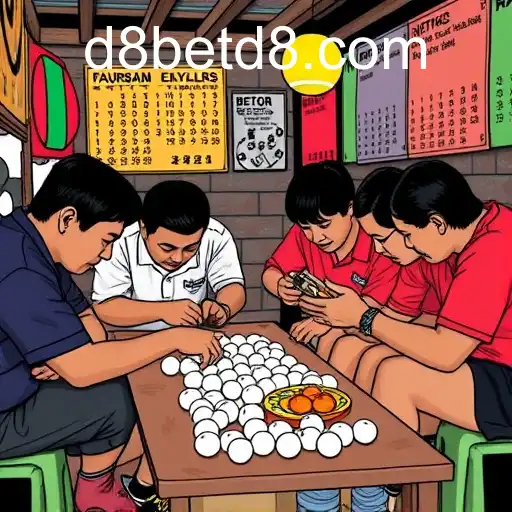
Jueteng traces its origins back to the Spanish colonial period when Filipinos engaged in various forms of gambling as a pastime. Over the years, Jueteng evolved into a widespread phenomenon, played by many regardless of economic status. Its structure is straightforward—participants choose a combination of numbers and place a bet. The chosen numbers are drawn from a set of bolitas, small marble-like balls, usually managed by a caballero or an operator.
The Cultural and Social Impact of Jueteng
One cannot discuss Jueteng without acknowledging its deep-rooted cultural impact. It is more than just a form of entertainment; it serves as a socio-economic equalizer in some regions. For many, Jueteng is a means to fast cash, albeit with significant risks. It fosters a sense of community, with individuals gathering around to discuss strategies and share stories of wins and losses.
Modern Transformations and the Digital Era
With the advent of technology, Jueteng has found new avenues to reach its audience. Digital platforms like Betd8 have introduced Jueteng to a broader audience, making it accessible beyond traditional local setups. Betd8 provides a digital interface for users to engage with games that are inspired by traditional ones like Jueteng. This transformation has brought about increased accessibility but also raised concerns over regulation and fairness.
The Role of Betd8 in Jueteng's Evolution
Betd8 has been instrumental in transitioning Jueteng from a purely community-centric game to a more expansive digital experience. By offering a platform where individuals can place bets and participate in draws legally in jurisdictions where permitted, Betd8 has modernized the game's reach. The interface is user-friendly, ensuring that even those not well-versed in technology can navigate and place their bets easily.
While some argue that this adaptation could strip Jueteng of its inherent cultural nuances, others view it as a necessary evolution that aligns with global technological trends. Betd8 provides analytics and a catalog of games that introduce a new layer of strategy and skill, potentially appealing to a younger demographic.
Challenges and Criticisms
Despite its digital advancements, Jueteng—and by extension, Betd8—faces numerous challenges. The legality of online betting varies greatly across regions, with some viewing these platforms as extensions of illegal gambling. There are ongoing debates about the moral and ethical implications of providing digital access to traditional gambling games.
Critics argue that platforms like Betd8 might potentially increase addiction rates, leading to more social issues. There are also concerns about the lack of robust regulations that protect players from fraud and ensure fair play.
The Future of Jueteng
The future of Jueteng, with influences from platforms like Betd8, remains uncertain yet promising. The game is at a crossroads, poised between preserving its cultural heritage and embracing modern technology. As societies evolve, there may be calls for more structured regulations that could potentially legalize and formalize Jueteng, offering better oversight and control.
For Jueteng to maintain its relevance, it must navigate these challenges while leveraging digital transformation effectively. The potential for broader acceptance lies in finding a balance where both traditional elements and modern conveniences coexist, offering a unique experience to its participants.